 by Aleks
Steering Your Brand in Times of Global Crisis
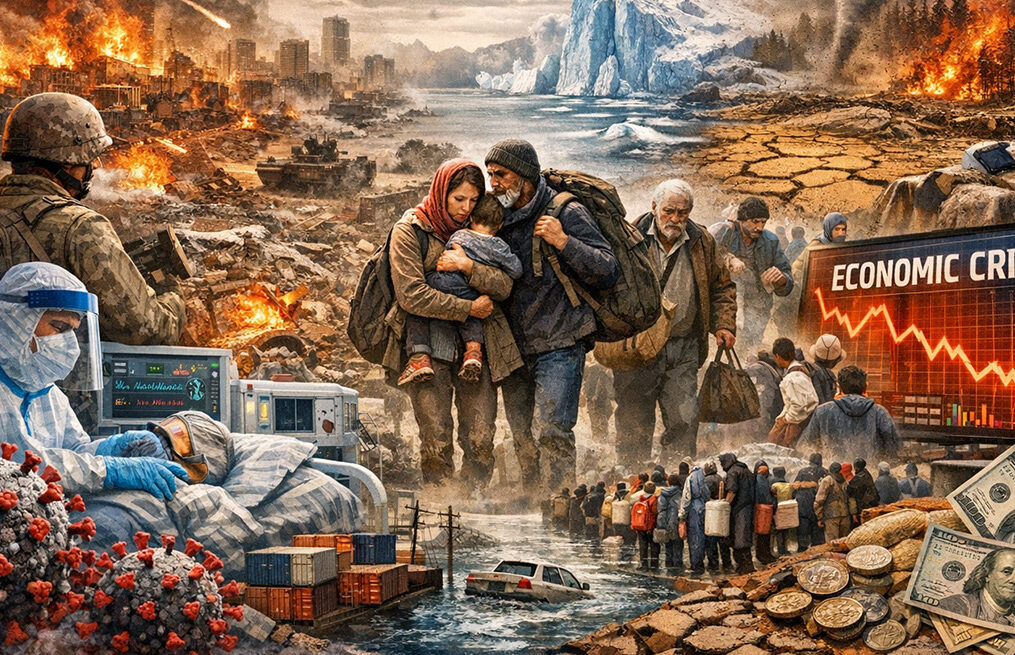
Global crises don’t just shake economies. They shake perception.
Geopolitical tension, economic downturns, inflation waves, regional conflicts, and financial instability all change how people think, spend, and trust brands. In moments like these, many companies face the same uncomfortable question:
Do we stay quiet and sensitive to the situation, or do we push harder and try to capture market share while competitors hesitate?
The answer is neither extreme.
Strong brands don’t disappear during crises, but they also don’t exploit them. They recalibrate.
Context First, Commerce Second
The first responsibility of a brand during a global crisis is awareness.
Markets may still function, but emotions shift quickly. Customers become cautious, skeptical, and more selective with where they spend their attention and money.
A brand that continues communicating as if nothing is happening looks disconnected from reality. But a brand that disappears completely loses visibility and relevance.
The balance is simple: acknowledge the context, then adjust the tone.
Sensitivity is Not Weakness
Some companies fear that softening their messaging will reduce sales. In reality, the opposite is usually true.
In uncertain times people gravitate toward brands that appear stable, responsible, and empathetic.
This doesn’t mean every message needs to reference the crisis. It means the brand must demonstrate awareness in how it communicates.
Tone matters. Timing matters. Relevance matters.
Aggressive selling in a fragile environment often damages long-term perception.
Trust Becomes the Primary Currency
During economic or geopolitical uncertainty, customers stop chasing novelty and start chasing reliability.
This is where strong brands gain ground.
If your brand has built credibility before the crisis, this is the moment to reinforce it:
- Clear communication
- Transparent pricing
- Reliable service
- Calm leadership
When the environment feels unstable, people look for brands that appear steady.
Adapt Messaging, Not Identity
One of the biggest mistakes brands make during crises is overreacting.
Suddenly changing tone, values, or positioning can create confusion. A brand that appears opportunistic loses credibility quickly.
The core identity of the brand should remain stable. What changes is how the brand expresses itself within the current context.
Consistency builds reassurance.
Opportunities Still Exist, but They Must be Ethical
Crisis shifts markets. Certain needs increase, others disappear.
Smart brands identify new opportunities, but they approach them responsibly.
This might mean:
- Offering practical solutions
- Supporting customers with flexible services
- Providing education and guidance
The goal is not to exploit fear. It’s to demonstrate usefulness.
Brands that help during difficult periods often earn loyalty that lasts long after the crisis ends.
Internal Stability is Just as Important
External communication means little if internal operations are unstable.
During global uncertainty, brands must focus on:
- Employee confidence
- Supply chain stability
- Customer support quality
- Leadership clarity
Employees are often the first ambassadors of brand credibility. If they feel informed and supported, they reinforce trust externally.
Long-Term Thinking Wins Again
Crises are temporary. Brand perception is not.
Brands that act opportunistically may generate short-term revenue but damage long-term trust. Brands that show discipline, responsibility, and clarity often emerge stronger when the environment stabilises.
History repeatedly shows that reputations are built not during stable periods, but during moments of uncertainty.