 by Aleks
Co-Branded Partnerships: Why Brand Alignment is Non-Negotiable
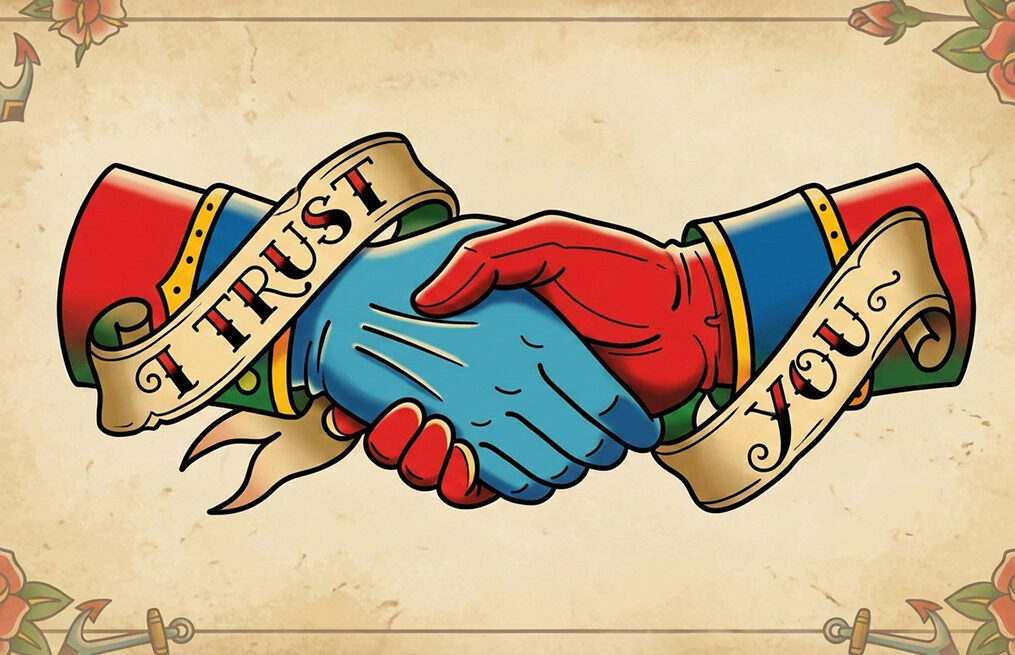
Co-branding isn’t about putting two logos next to each other. It’s a strategic agreement between identities, values, and reputations. When done right, co-branding multiplies trust and reach. When done wrong, it dilutes both brands and damages credibility on both sides.
Too many partnerships fail not because the business idea was wrong, but because the brands weren’t aligned, strategically or visually. And in branding, misalignment always shows.
Co-branding is a brand decision, not a marketing tactic
Before visuals, before campaigns, before contracts, co-branding starts with one question:
Do these two brands belong in the same sentence?
Aligned co-brands share compatible values, similar standards, and a mutual understanding of what they represent in the market. If one brand stands for trust and restraint, while the other stands for noise and short-term attention, the partnership is already broken.
Strong brands don’t partner for reach alone. They partner for meaning, credibility, and strategic reinforcement.
Why strategy alignment comes first
A co-branded partnership exposes your brand to someone else’s audience, and their judgment. That means every partnership quietly answers questions for the customer:
“Is this brand becoming something else?”
“Do they still stand for what I trusted them for?”
When strategies align, the partnership feels natural. When they don’t, customers feel the tension instantly.
Aligned strategy ensures:
- the partnership reinforces both brand promises
- neither brand feels subordinate or dominant
- the message is coherent, not conflicted
- trust transfers cleanly between audiences
Without strategic alignment, co-branding becomes a compromise. And compromise weakens brands.
Visual balance is a form of respect
As I said many times, visual identity isn’t decoration, it’s ownership. It’s how logos, colours, hierarchy, and spacing are handled in a co-brand execution signals respect, confidence, and power balance.
When one brand visually overwhelms the other, it sends a message: dominance, insecurity, or lack of consideration. When identities are balanced, it communicates partnership, equality, and mutual value.
Respectful visual balance means:
- clear hierarchy agreed in advance
- consistent use of brand assets
- no forced recolouring or distortion
- enough space for each identity to breathe
Strong brands protect their visual system, and they respect others who do the same.
Why customers notice more than brands think
Customers may not articulate visual imbalance, but they feel it. Poor co-branding creates subconscious friction. It looks messy. It feels forced. It raises questions about professionalism and intent.
Well-executed co-branding feels effortless. The brands appear confident enough to stand side by side without competing for attention. That confidence transfers directly to trust.
And trust is the real currency of partnerships.
Internal alignment matters as much as external execution
Co-branding failures often start inside. Different teams. Different expectations. Different interpretations of “visibility” and “value.”
Strong partnerships define:
- shared objectives
- brand guardrails
- visual rules
- tone of voice alignment
- approval processes
This isn’t bureaucracy. It’s brand protection.
When teams are aligned, execution is clean. When they’re not, brand equity leaks through every touchpoint.
The cost of getting it wrong
A bad co-branding execution doesn’t just underperform, it erodes perception. It signals desperation, confusion, or short-term thinking. And once brand credibility is questioned, it’s expensive to rebuild.
Strong brands think long-term. They choose partnerships carefully. They protect their identity fiercely. And they treat visual balance not as ego, but as professional respect.
So…
Co-branding works when two brands strengthen each other without losing themselves. Strategic alignment ensures the partnership makes sense. Visual balance shows respect, to the partner and to the audience.
When brands collaborate with clarity and discipline, the result feels natural, credible, and valuable. When they don’t, the partnership becomes noise.
In co-branding, respect isn’t optional.
It’s visible.